UP Poster War: BJP Protests Against Akhilesh Yadav's 'Crime Chart'
 May, 27 2026
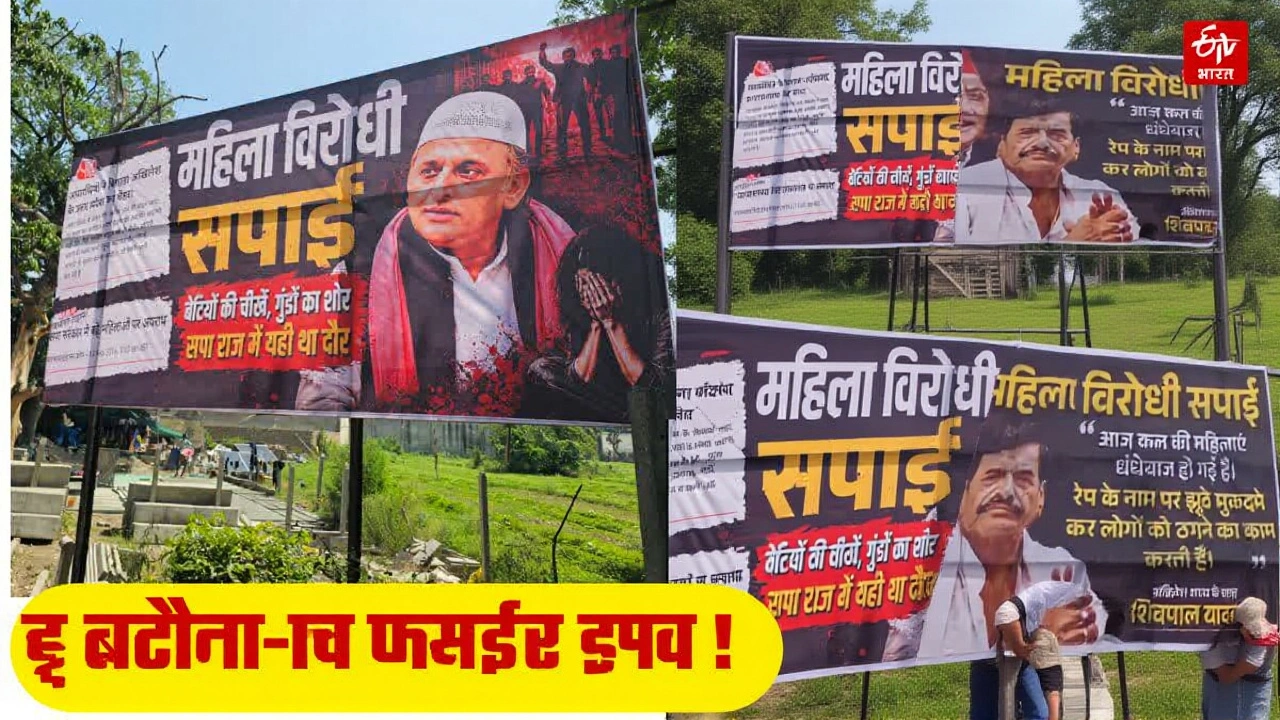
When Akhilesh Yadav, Chief of Samajwadi Party, released a controversial poster dubbed the "SP Crime Chart," it didn't just spark debate—it ignited streets across Uttar Pradesh. Workers from the ruling Bharatiya Janata Party (BJP) took to the roads in multiple districts, tearing down copies of the poster and demanding arrests for those who put them up.
The incident, unfolding primarily in the state capital Lucknow and spreading to other regions, marks another escalation in what locals are calling a "Poster War." It’s not just about ink on paper; it’s a visceral display of political anger ahead of crucial electoral cycles. Here’s the thing: this isn’t the first time visual propaganda has turned violent in UP, but the specific focus on crime statistics makes this round particularly heated.
The Spark: A Controversial 'Crime Chart'
The controversy centers on a poster attributed to the Samajwadi Party leadership that allegedly listed crimes committed during their previous tenure or highlighted current issues under the BJP government. Reports from Dainik Jagran describe it as a "disputed poster" linked to an "SP Crime Chart." While the exact text or images on the poster remain vague in initial reports, the implication was clear enough to trigger a massive backlash.
Turns out, numbers can be more provocative than slogans. By framing the narrative around crime rates—a sensitive topic for any electorate—the opposition aimed to question the current administration's law and order record. But instead of a policy debate, it led to physical confrontations. In Lucknow, the situation grew so tense that BJP leaders demanded the immediate arrest of individuals responsible for pasting these posters.
Protests Erupt Across Districts
The reaction wasn't confined to one neighborhood. From the bustling markets of Lucknow to quieter towns in various districts, BJP workers organized protests. The imagery is striking: crowds gathering, posters being ripped off walls, and loud slogans echoing through streets. This physical act of tearing down the posters symbolized a rejection of the message within.
"We will not tolerate such defamatory material," said one local BJP spokesperson, though specific names were withheld in early reports. The demand for legal action suggests the party intends to treat this not just as political dissent, but as a potential violation of public order laws. Police forces have been deployed in key areas to prevent further escalation, indicating authorities view the situation as volatile.
Lucknow at the Epicenter
In Lucknow, the tension was palpable. Amar Ujala reports highlight a "brawl" or significant uproar in the capital city. Local BJP units filed complaints with police stations, seeking FIRs against unknown persons involved in distributing the material. The speed of the response indicates how closely monitored political communications are in the run-up to elections.
Historical Context: The Era of Visual Politics
This event fits into a broader pattern in Indian politics, especially in Uttar Pradesh, where visual media plays a huge role. Remember the last election cycle? Posters were everywhere—glued on trees, walls, and even vehicles. What’s different now is the digital amplification. A poster torn down in a village can go viral on social media within minutes, turning a local dispute into a statewide issue.
The term "Poster War" itself reflects this shift. It’s no longer just about campaign materials; it’s about controlling the narrative through aggressive visual tactics. Both major parties have used this strategy before, but the intensity has increased. Analysts note that when words fail, images often provoke stronger emotional responses, which can unfortunately lead to unrest.
Impact and Future Implications
So, what does this mean for voters? For many, it reinforces existing biases. Supporters of the Samajwadi Party see the protests as an attempt to silence criticism, while BJP backers view the posters as malicious lies. The real impact might be seen in voter turnout and sentiment in upcoming by-elections or general polls. If this trend continues, we could see more instances of property damage and clashes over campaign materials.
Looking ahead, the focus shifts to the judiciary and police. Will charges be filed? Under which sections of the Bharatiya Nyaya Sanhita (the new criminal code)? Legal experts suggest that if the content is deemed defamatory or inciting hatred, strict penalties could apply. However, proving intent and authorship in such decentralized distribution methods is challenging.
Frequently Asked Questions
What exactly was on the controversial poster?
Reports refer to it as an "SP Crime Chart," suggesting it listed crime statistics or incidents related to the Samajwadi Party's tenure or current governance. Specific details like exact numbers or images haven't been fully disclosed in initial news briefs, leading to speculation about its accuracy and intent.
Why did the BJP react so strongly?
The BJP viewed the poster as defamatory and an attack on the state government's law and order record. Given the sensitivity of crime-related issues among voters, the party saw it as a direct threat to their credibility, prompting demands for arrests and legal action against those distributing it.
Where did the protests take place?
The unrest was reported across multiple districts in Uttar Pradesh, with the most significant activity centered in the state capital, Lucknow. Protests involved tearing down posters and chanting slogans, with police presence increased to maintain order in affected areas.
Is this part of a larger trend in UP politics?
Yes, this is described as part of a "Poster War," a growing phenomenon where political parties use aggressive visual campaigns to sway public opinion. With social media amplifying local disputes, these conflicts often escalate quickly, reflecting the high-stakes nature of politics in India's most populous state.
What legal actions are being taken?
BJP leaders have demanded the arrest of individuals involved in pasting the posters. Police are investigating the matter, potentially filing cases under defamation or public nuisance laws. The outcome will depend on evidence linking specific individuals to the distribution and the legal interpretation of the poster's content.