India vs Pakistan in 2026 T20 World Cup Semis? The Math Explained
 May, 26 2026
When Suryakumar Yadav, captain of Team India, led his side to a dominant 61-run victory over Pakistan in Colombo, the cricket world didn't just see another win. They saw the beginning of a complex geopolitical and sporting chess match for the 2026 ICC Men's T20 World CupColombo.
The match, played under the bright lights of Sri Lanka’s capital, wasn’t just about bragging rights. It solidified India’s record against their arch-rivals at 8-1 in T20 World Cups. But here’s the twist: despite the rivalry, the two teams won’t meet again until potentially the semi-finals. And even that isn’t guaranteed.
The Super-8 Separation
Here’s why you won’t see an India-Pakistan clash in the group stages or the immediate next round. The International Cricket Council (ICC) has implemented a pre-seeding system that effectively keeps the rivals apart until the knockout phase.
Under these rules, India was placed in the 'X1' slot, landing them in Super-8 Group 1. Pakistan, meanwhile, was assigned the 'Y3' slot, placing them firmly in Super-8 Group 2. This means the two teams are in different pools entirely. For fans hoping for early drama, this is a disappointment. For strategists, it’s a relief—it allows both teams to focus on navigating their respective groups without the pressure of an immediate head-to-head.
India’s path has been smooth so far. After beating the USA and Namibia with ease in the initial group stage, the comprehensive win over Pakistan in Colombo sealed their spot in the Super-8s. The team looks dangerous, cohesive, and ready to defend their title as hosts.
The Semi-Final Equation
So, when *could* they meet? The math gets interesting here. A semi-final showdown is possible, but only under specific conditions. According to reports from Navbharat Times, the knockout draw works like this:
- If one team finishes **first** in their Super-8 group and the other finishes **second**, they could be drawn against each other in the same semi-final bracket.
- If both teams finish first in their respective groups, or both finish second, they will be placed in separate semi-finals. In this scenario, they would only meet in the final.
This creates a high-stakes environment for the Super-8 matches. Every point matters. For Pakistan, finishing top-two in Group 2 is non-negotiable if they want any chance of facing India before the final. For India, maintaining their momentum in Group 1 is equally critical.
Political Turmoil and Participation Doubts
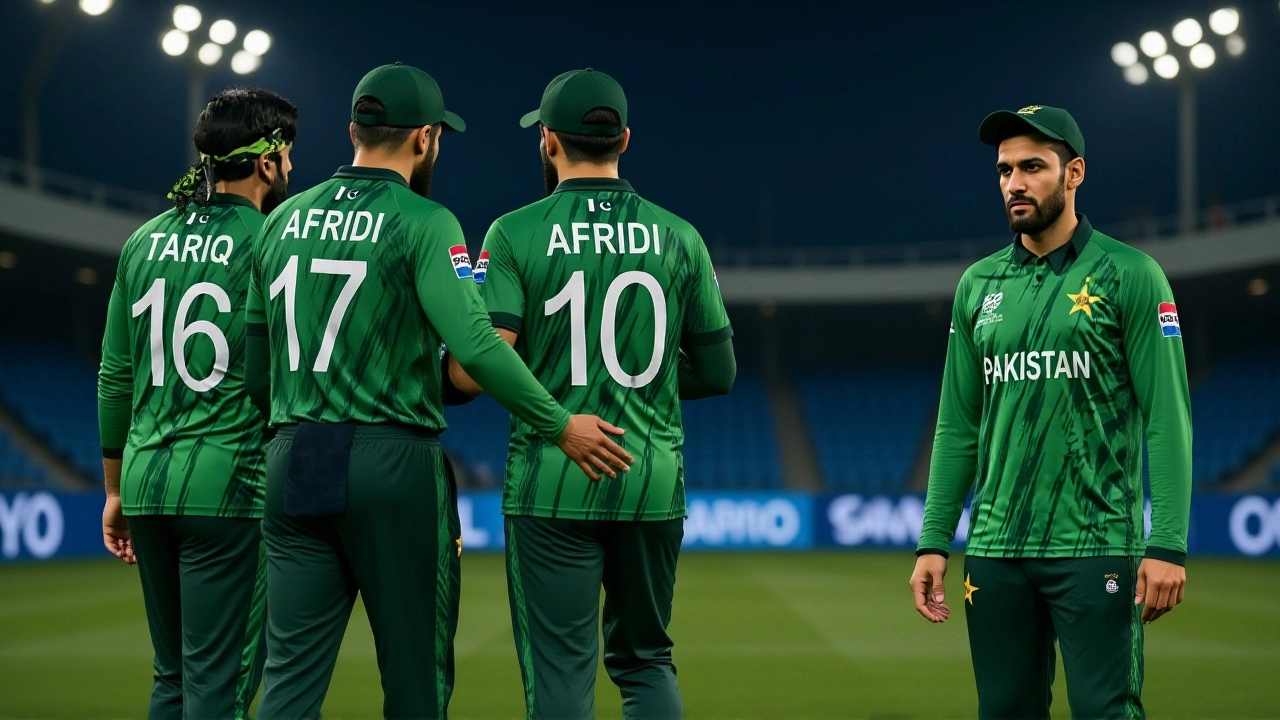
But wait—will Pakistan even be playing? That’s the question that has lingered over the tournament since preparations began. Reports from ABP Live highlight significant uncertainty regarding Pakistan’s participation. The Pakistan Cricket Board (PCB) faced internal hurdles, including a last-minute cancellation of their jersey launch event ahead of a bilateral series against Australia.
The reason? Lack of approval from the Pakistani Ministry of Foreign Affairs. This bureaucratic bottleneck raised fears that the team might boycott the tournament, particularly the crucial match against India scheduled for February 15 in Colombo. Security concerns have long been a sticking point between New Delhi and Islamabad, leading to an agreement that all ICC events involving both nations would be held at neutral venues until 2027.
However, the situation appears to have stabilized. ICC officials Imran Khawaja and Mubashir Usmani traveled to Lahore to meet with PCB executives. They reportedly issued a "final ultimatum," rejecting Pakistan’s demands related to bilateral series issues and emphasizing that such matters fall outside ICC jurisdiction. The message was clear: play by the rules, or face consequences.
Why This Match Matters Beyond Cricket
The India-Pakistan game is more than sport; it’s a commercial juggernaut. Broadcasters and the ICC view this fixture as the single most valuable asset in the cricketing calendar. The revenue generated from viewership in South Asia alone dwarfs that of most other international sports events.
This financial incentive likely drove the ICC’s firm stance. They couldn’t afford a boycott. The precedent set by Bangladesh’s inability to host the Women’s T20 World Cup due to civil unrest also looms large. The ICC ensured Bangladesh retained its revenue share despite not hosting, signaling a willingness to support members through political instability—but only if they participate.
For Pakistan, the decision to play is now largely made. The squad was announced, flights were booked to Colombo on February 2, and the political green light seems to have been given, albeit reluctantly. The focus now shifts entirely to performance.
What’s Next for Both Teams?
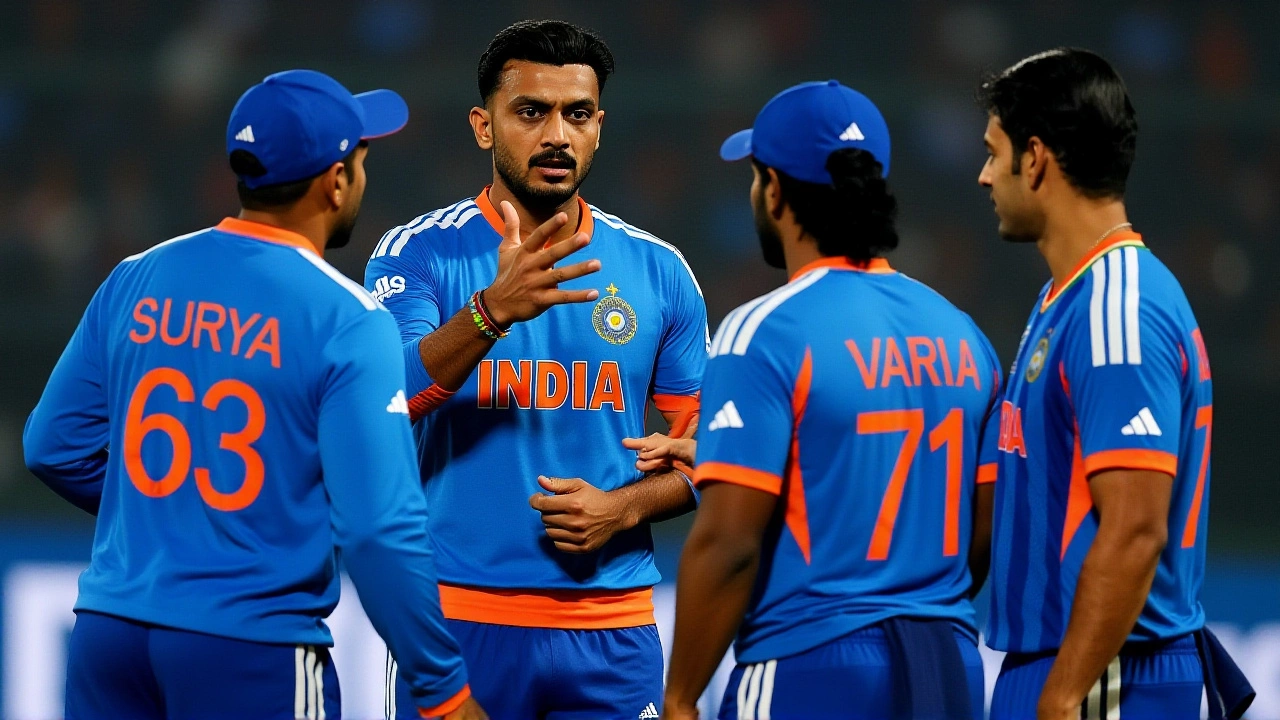
India enters the Super-8s with confidence. Their bowling attack has been disciplined, and their batting lineup, led by Suryakumar Yadav, shows no signs of slowing down. The challenge will be adapting to different pitches and conditions in the knockout stages.
Pakistan faces a tougher road. They must overcome recent inconsistencies and the psychological weight of playing against India in a high-pressure knockout format. Finishing in the top two of Group 2 requires wins against formidable opponents. If they achieve that, and the draw favors them, we could witness another epic encounter in the semi-finals.
The details of the exact schedule are still being finalized, but one thing is certain: cricket fans worldwide will be watching every ball. The stage is set for a tournament that blends sporting excellence with intense geopolitical drama.
Frequently Asked Questions
Will India and Pakistan play in the Super-8 stage of the 2026 T20 World Cup?
No, they will not. Due to the ICC's pre-seeding arrangement, India is placed in Super-8 Group 1 (Slot X1) and Pakistan in Super-8 Group 2 (Slot Y3). This ensures the two teams are separated during the Super-8 phase and can only meet in the semi-finals or the final.
Under what conditions can India and Pakistan meet in the semi-finals?
A semi-final clash is possible if one team finishes first in their Super-8 group and the other finishes second. If both teams finish in the same position (both first or both second), they will be placed in separate semi-final brackets and would only meet in the final.
Is Pakistan confirmed to participate in the 2026 T20 World Cup?
Yes, participation is now highly likely after initial doubts. Although there were concerns regarding security approvals from the Pakistani government and cancelled promotional events, the ICC issued an ultimatum to the PCB, and the team has proceeded with travel arrangements to Colombo for the tournament.
Where will the India vs Pakistan match be played if they meet in the knockouts?
Any potential knockout match between India and Pakistan will be held at a neutral venue, specifically in Sri Lanka (Colombo), as per the existing agreement between the BCCI, PCB, and ICC to avoid hosting matches in either country until 2027 due to security and political reasons.
How did India perform against Pakistan in the group stage?
India defeated Pakistan by 61 runs in their group stage encounter in Colombo. This victory improved India's historical record against Pakistan in T20 World Cups to 8 wins against 1 loss, showcasing strong dominance in the tournament so far.