FIFA Announces Shakira, Madonna, BTS for 2026 World Cup Final
 May, 26 2026
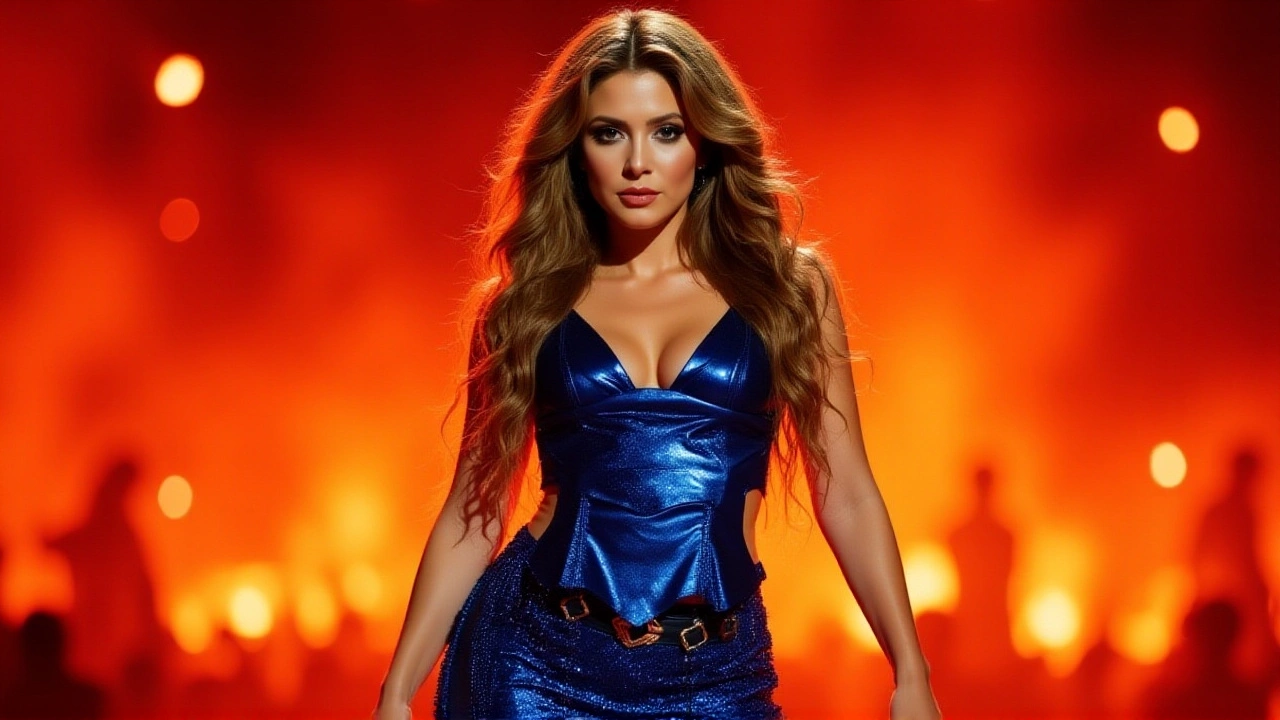
When FIFA dropped the bombshell announcement regarding the 2026 World Cup final halftime show, the internet didn’t just buzz—it exploded. Global superstars Shakira, Colombian singer-songwriter, Madonna, American pop icon, and the South Korean phenomenon BTS have been confirmed as the headlining performers. This isn't just a concert lineup; it's a strategic masterclass in global marketing designed to unite three distinct cultural powerhouses under one stadium roof.
The news broke via reports from Vietnam-based portal Vietnam.vn, which cited official FIFA channels confirming the trio’s participation. But here’s the twist: this isn’t your standard football match intermission. With the 2026 tournament expanding to 48 teams across North America, the stakes for entertainment have never been higher. FIFA is betting big that combining Latin pop, Western legacy rock, and K-pop will capture the largest television audience in sporting history.
A Triple Threat of Global Icons
Let’s unpack why this specific combination matters. You’ve got Shakira, who already has deep ties to the sport through her long-standing relationship with Colombia and previous World Cup anthems. Then there’s Madonna, whose halftime shows at Super Bowl XXXI and other major events set the gold standard for spectacle. And finally, BTS, whose fanbase (the ARMY) holds the power to dominate social media trends overnight.
The logistics are mind-boggling. Coordinating schedules for artists who rarely tour together, let alone perform in the same slot, suggests months of behind-the-scenes negotiation. While financial details remain tightly guarded, industry insiders estimate that a performance of this magnitude could involve fees exceeding $10 million per artist, though some reports suggest partial sponsorship deals might offset costs. What we do know is that this lineup targets every major demographic: Latin America, Europe/North America, and Asia.
The Stakes for the 2026 Tournament
The 2026 World Cup is unique. It’s the first tournament hosted by three nations—United States, Canada, and Mexico. The final match is expected to take place at MetLife Stadium in New Jersey or SoFi Stadium in Los Angeles, both capable of holding over 70,000 fans. Add to that an estimated global TV audience of 5 billion viewers, and you’re looking at the most-watched non-Olympic event on the planet.
Why does this matter to you? Because the halftime show often dictates the cultural conversation for weeks after the game ends. Remember when Beyoncé performed in 2013? Or when Coldplay brought out special guests in 2022? These moments transcend sports. They become watercooler topics, viral memes, and chart-topping music releases. By choosing Shakira, Madonna, and BTS, FIFA is ensuring that regardless of which team wins the trophy, the entertainment value guarantees massive engagement.

Social Media Frenzy and Fan Reactions
Turns out, the reaction was immediate and polarized. On X (formerly Twitter), hashtags like #WorldCupHalftime and #BTSxShakira trended within minutes of the leak. Fans of each artist took to social media to express excitement—or concern. Some worried about stage time allocation. Others speculated on potential collaborations. A YouTube video titled "Shakira Shocking Statement On BTS" gained traction, hinting at prior comments Shakira may have made about the group, adding a layer of intrigue to their shared stage presence.
But wait, there’s more. The inclusion of BTS marks a significant shift for FIFA, which has historically leaned toward Western or Latin American acts. This move signals a deliberate effort to acknowledge the economic and cultural weight of the Asian market. With K-pop generating billions in revenue annually, ignoring BTS would have been a glaring oversight.
What We Don’t Know Yet
The details are still unclear. There’s no official setlist, no confirmation of featured guests beyond these three headliners, and no word on whether they’ll perform together or sequentially. Will we see a mashup of “Hips Don’t Lie” and “Dynamite”? Is Madonna planning a surprise reunion with her former collaborators? These questions keep fans buzzing.
Also missing is any mention of rehearsal dates or technical requirements. Staging a show that satisfies three vastly different musical styles requires immense production value. Expect holograms, pyrotechnics, and possibly drone displays. Given the scale, preparation likely began over a year ago.
Frequently Asked Questions
Who are the confirmed performers for the 2026 World Cup halftime show?
The confirmed headliners are Colombian superstar Shakira, American icon Madonna, and the South Korean boy band BTS. FIFA announced this trio to maximize global appeal across Latin American, Western, and Asian markets.
Where will the 2026 World Cup final be held?
While the exact venue hasn't been officially locked in yet, the final is expected to take place at either MetLife Stadium in East Rutherford, New Jersey, or SoFi Stadium in Inglewood, California. Both stadiums offer capacities exceeding 70,000 seats.
Will BTS and Shakira perform together?
It is highly likely they will share the stage, given the precedent of collaborative halftime shows. However, FIFA has not released a detailed setlist. Speculation suggests a medley format where each artist performs solo before joining for a finale.
Why did FIFA choose this specific lineup?
This lineup represents a strategic diversification. Shakira anchors the Latin American market, Madonna appeals to older Western demographics, and BTS captures the massive, digitally engaged Asian youth audience. It’s a bid for maximum global viewership and social media engagement.
Is there any information about the cost of the performance?
Specific financial figures have not been disclosed by FIFA. Industry analysts estimate top-tier halftime performers can command fees between $5 million and $15 million, but these costs are often partially covered by brand sponsorships and broadcasting rights revenue.