Mahindra & Mahindra Breaks Industry Norms, Vows No January 2026 Price Hike Unless Raw Costs Surge
 Nov, 27 2025
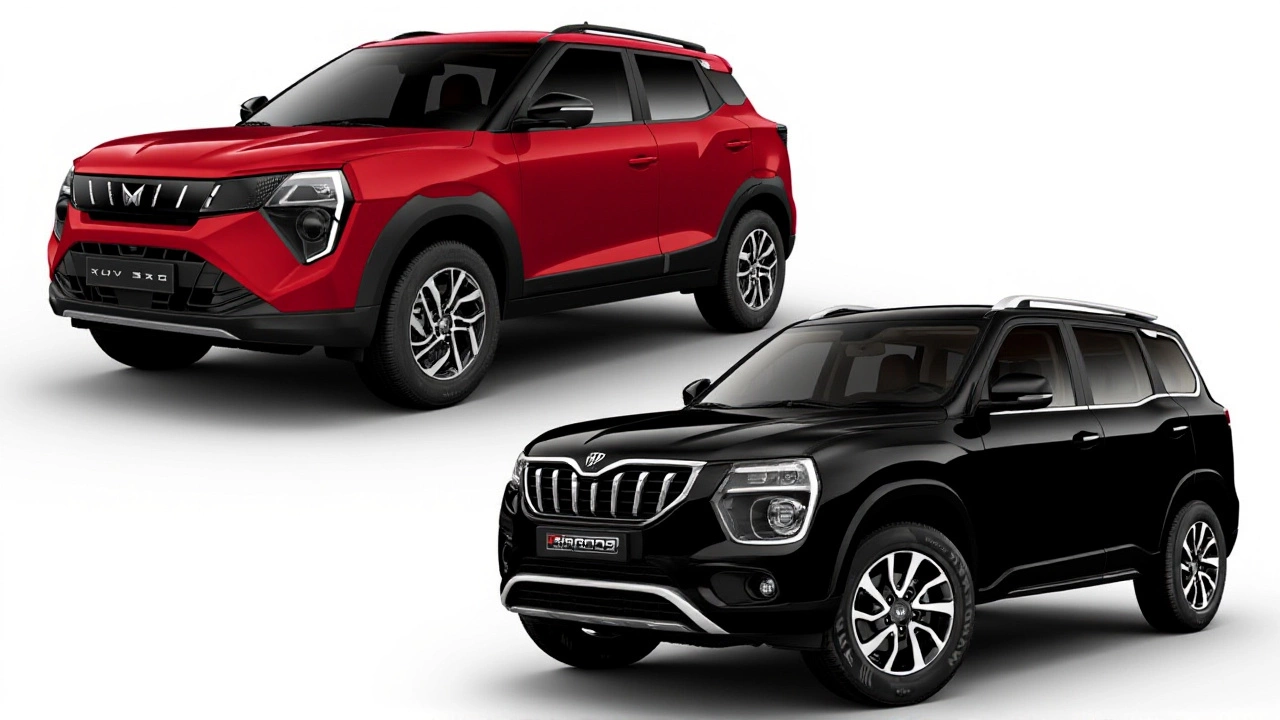
When Mahindra & Mahindra announced it won’t raise vehicle prices in January 2026—unless raw material costs spike—the automotive world took notice. Not because it’s unusual for a company to avoid price hikes, but because Mahindra & Mahindra is the first major Indian automaker to publicly reject the industry’s decades-old habit of annual January increases. The move, revealed by Rajesh Jejurikar, Executive Director and CEO of the Auto & Farm Sectors, during a press briefing on November 29, 2024Mumbai, isn’t just about cost control. It’s a political statement wrapped in corporate policy.
Why This Matters to Every Indian Driver
For years, Indian car buyers have grown accustomed to the January ritual: new model year, higher price tag. Even when inflation slows, even when demand dips, automakers still raise prices. It’s become as predictable as Diwali sales. But Mahindra & Mahindra is breaking that cycle. Jejurikar didn’t just say "we won’t hike"—he framed it as a moral choice. "We will not do anything which undermines that strategy by driving a profiteering objective," he said, referring to the government’s landmark GST rationalizationIndia that slashed taxes on most cars from 28% to 18%, and luxury SUVs from nearly 50% to 40%. The price cuts took effect September 22, 2024. Now, Mahindra is saying: don’t take back what the government gave.The Fine Print: What Triggers a Hike?
This isn’t a blanket promise. Mahindra left the door open—just barely. "We will take prices up only if there is a very visible and tangible increase in manufacturing cost," Jejurikar clarified. That means if steel, lithium, or semiconductors surge 15%+ in six months, they’ll reconsider. But not because it’s January. Not because competitors do it. Only if the math forces their hand. That’s a radical shift. Most automakers use January hikes to recover margin erosion from prior-year discounts, fund R&D, or simply maintain profit targets. Mahindra is saying: profit targets don’t override consumer trust.And yet, the company did raise prices by up to 3% in March 2025—effective April 1—for its SUV and commercial vehicle range. Why? They cited "rising input cost and increased commodity prices." That’s the key distinction: one hike was cost-driven, the other would be calendar-driven. The difference matters. It shows they’re not anti-price-increase—they’re anti-arbitrary-increase.
Electric Push: 7,000 EVs a Month
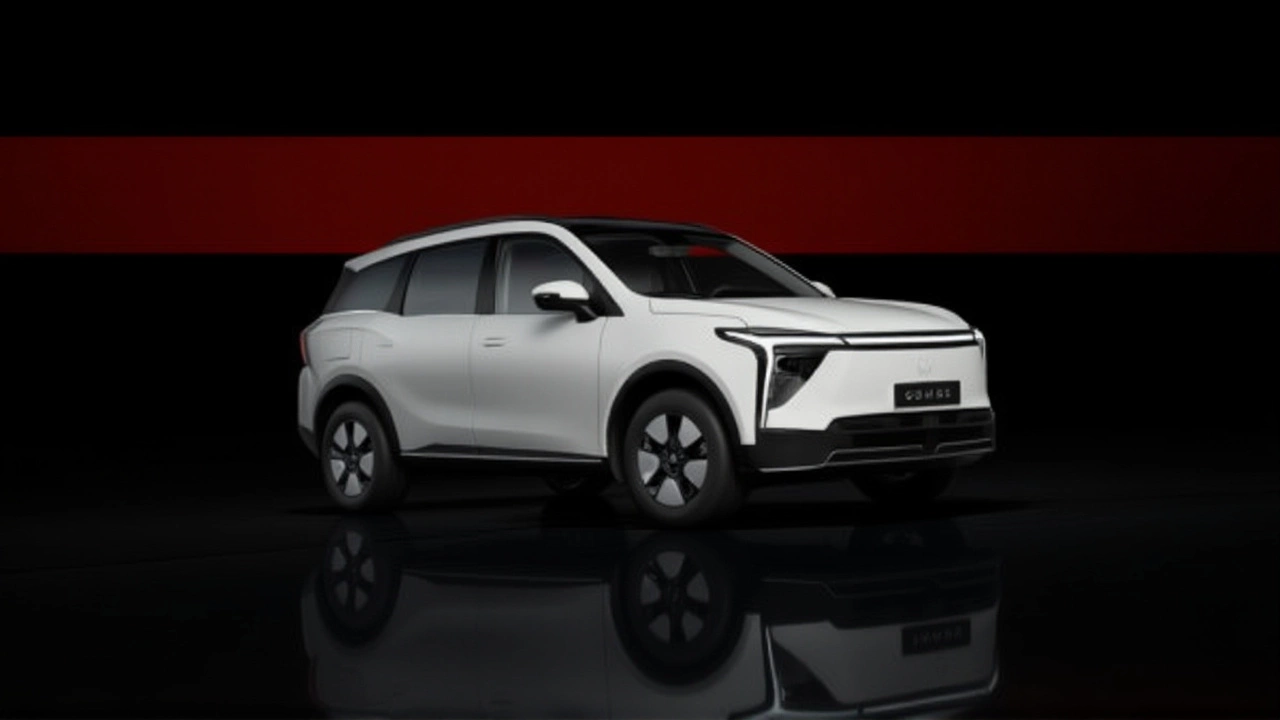
While holding prices steady, Mahindra is going all-in on electrification. Jejurikar confirmed the company targets 7,000 monthly electric vehicle sales as it ramps up production. That’s up from just 2,100 units per month in early 2024. To build confidence, they held live crash tests on November 29, 2024, where they subjected their eSUVs to battery torture—piercing, fire exposure, water immersion. The batteries didn’t catch fire. The cabin stayed intact. They didn’t just show safety; they made it a spectacle.On November 26, they launched the Sonic Studio Experience in their BE 6e and XEV 9e models—a premium audio system tuned for EV silence. It’s not just about range anymore. It’s about the whole experience. And they’re betting consumers will pay a premium for that… without paying more for the base price.
Contradictions and Confusion
One report from ALM Intelligence dated November 27, 2025—yes, 2025—claimed Mahindra would raise prices in January 2026 regardless of costs. That’s either a typo, a fabrication, or a rogue analyst’s fantasy. Every other source—The Economic Times, Outlook Business, Mathrubhumi English, and Mahindra’s own press releases—confirms the opposite. The company’s consistency is remarkable. Even their recent commercial vehicle launch, the All-New Veero, started at ₹7.99 lakh on September 12, 2024. No price hike since. And the Thar ROXX? 176,218 bookings in 60 minutes. Demand doesn’t need artificial scarcity.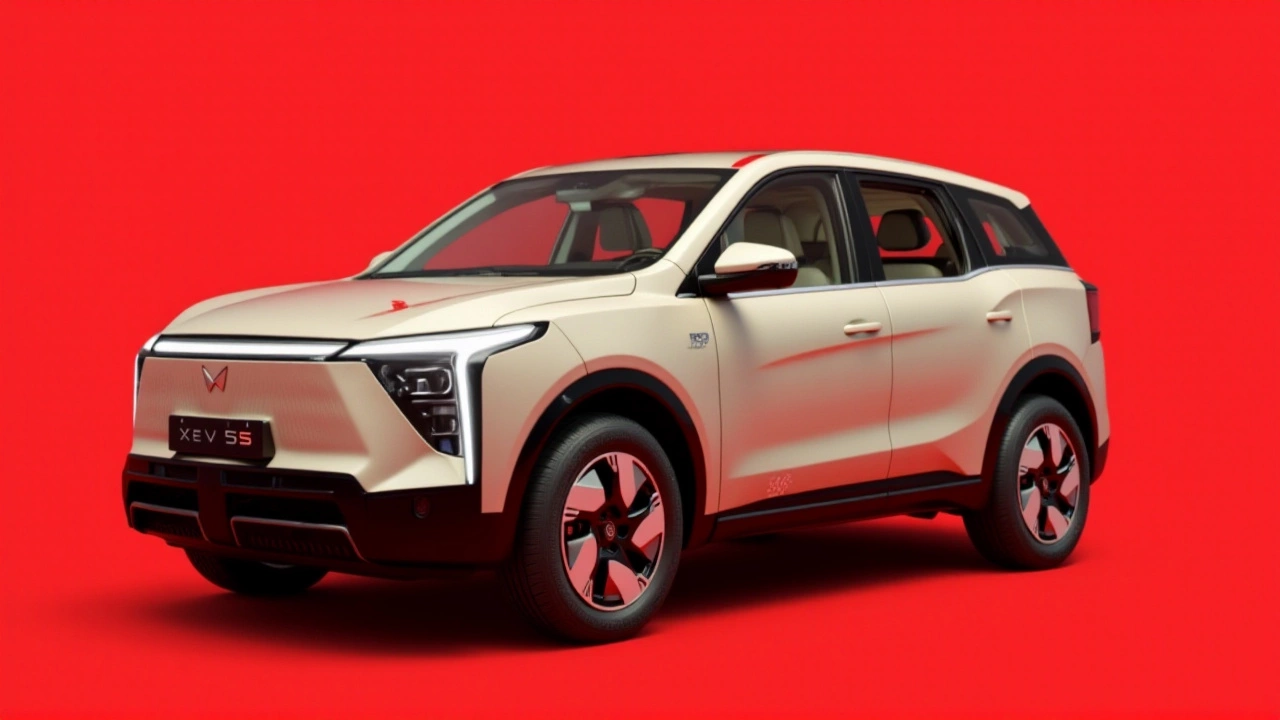
What’s Next? The Ripple Effect
If Mahindra holds prices in 2026, others will feel pressure. Tata Motors, Hyundai India, and Maruti Suzuki have all raised prices twice since 2023. But if Mahindra’s sales stay strong while competitors raise prices, it could force a sector-wide rethink. Imagine this: a world where automakers compete on features, service, and innovation—not on when they can squeeze customers again in January. That’s not utopia—it’s strategy.Behind the scenes, the Mahindra Group—founded in 1945 and now employing over 260,000 people globally—isn’t just a carmaker. It’s India’s largest tractor manufacturer, a leader in IT services, renewable energy, and even hospitality. Their confidence in pricing stability comes from diversified revenue. They don’t need to squeeze every rupee from SUV buyers to stay profitable.
Frequently Asked Questions
How does this affect regular car buyers in India?
For consumers, Mahindra’s stance means predictable pricing through early 2026. If you’re planning to buy a Thar, Scorpio, or XUV700 next year, you won’t face a surprise January hike—unless steel or lithium prices spike dramatically. That gives budget planners breathing room and reduces uncertainty in a market where 70% of buyers are first-time car owners.
Why did Mahindra raise prices in April 2025 but won’t in January 2026?
The April 2025 hike was directly tied to documented increases in commodity costs like steel and rubber—confirmed in their March 21, 2025 press release. The January 2026 policy rejects hikes based on tradition or margin targets. It’s not about timing—it’s about trigger. Cost-driven? Yes. Calendar-driven? No.
Is Mahindra’s electric vehicle strategy linked to this pricing decision?
Absolutely. By stabilizing ICE vehicle prices, Mahindra can invest more in EV R&D and marketing without raising base prices. Their goal of 7,000 EVs/month requires consumer trust. If buyers feel exploited by price hikes, they’ll hesitate to switch to premium-priced EVs. Price stability builds loyalty—and that’s critical for electrification.
What’s the risk for Mahindra if they don’t raise prices?
The risk is margin compression—especially if input costs rise unexpectedly. But Mahindra’s diversified revenue (tractors, IT, finance) buffers them. More importantly, they’re betting that customer loyalty and brand equity from this move will drive long-term sales. In a market where trust is scarce, that’s a smarter gamble than squeezing every rupee now.
Could this pressure other Indian automakers to follow suit?
If Mahindra maintains strong sales through 2026 while competitors raise prices, yes. Buyers will notice. And in a crowded market, even a 2-3% price difference can shift decisions. Tata and Hyundai might not copy the policy, but they’ll likely soften their hikes or bundle more features to stay competitive. This could quietly end the January hike tradition.
What role did the GST reduction play in this decision?
The GST cut was the catalyst. By lowering taxes from 28% to 18% on most cars, the government signaled it wanted to make vehicles more affordable. Mahindra’s CEO framed the no-hike pledge as honoring that national policy. Ignoring it would look like corporate greed. It’s a rare case where a company aligned its pricing with public policy—not just profit.